For more than 35 years, rheumatologists have travelled to Timmins to provide specialized care to patients across Northeastern Ontario. That longstanding service has reduced the need for patients to travel south, but distance and limited specialist availability have continued to create challenges.
Today, the program has evolved to combine visiting rheumatologists, virtual care and a locally based advanced clinician practitioner in arthritis care (ACPAC). Developed through the work of the program’s rheumatologists, the Arthritis Society and the Ontario Rheumatology Association’s Northern Committee, with Ministry of Health funding and Timmins and District Hospital (TADH) as a key local partner, the expanded model is bringing more consistent rheumatology care closer to home.
The results are already significant. Before the expanded model, TADH had reduced rheumatology wait times from as long as a year to approximately three to six months. In the second quarter of 2026, the average wait from referral to seeing a rheumatologist was down to 40.7 days.
During the same quarter, the program provided 144 visits, including 51 new patient consultations, and diverted 36 patients from the Emergency Department.
The goal is to provide patients with more timely access to specialized care closer to home, while making the best possible use of limited rheumatology resources — and reducing the impact of geography on the care patients receive.
Building Local Capacity
Rheumatology focuses on autoimmune conditions affecting the joints, muscles and connective tissues, such as rheumatoid arthritis. Many are chronic conditions requiring ongoing care, and timely assessment and treatment can help control disease and prevent disability.
The ACPAC-rheumatology model has been used for more than 15 years in Ontario and has demonstrated its value in urban, rural and remote settings. At TADH, it has been adapted to strengthen an already well-established northern rheumatology service. For many years, Lynn Richards, an ACPAC-trained occupational therapist with the Arthritis Society in Kingston, supported the Timmins clinic through virtual assessments and quarterly visits.
Physiotherapist Sue Turcotte, who completed ACPAC training in 2025, has now taken over for Lynn and plays a key role in the new and expanded model of care. She works alongside visiting rheumatologists Dr. Sahil Koppikar, Dr. Medha Soowamber and Dr. Stefan Perera.
ACPAC training prepares experienced health professionals to undertake advanced assessment, triage and management of rheumatic and musculoskeletal conditions. Having that expertise based in Timmins means patients can be assessed locally between quarterly rheumatologist visits.
For Turcotte, the training was an opportunity to build on her clinical experience while helping develop a service for her community.
“I’m passionate about continuing education and clinical program development. I was excited to create and develop a new program that would ultimately benefit the people in my community,” she says.
Getting Patients the Right Care Sooner
Turcotte can assess new referrals and help determine whether a patient is showing signs of inflammatory rheumatic disease or would be better served by another type of care.
According to Koppikar, ACPAC clinical assessments have demonstrated more than 90% agreement with rheumatologists in differentiating inflammatory from non-inflammatory disease.
At TADH, approximately 40% of new patients assessed through the model to date have had osteoarthritis or other non-inflammatory findings and have not required a rheumatologist consultation.
Instead of waiting months to see a specialist only to learn that rheumatology is not the appropriate service, those patients and their primary care providers can receive advice on managing their condition or be directed to another appropriate service.
“You’re reducing wait times in the system and getting the patient to the right provider,” Koppikar says. “That has impacts beyond just rheumatology.”
Patients who do need a rheumatologist can also access specialist expertise between in-person clinics. Every two weeks, Turcotte connects virtually with either Dr. Koppikar, Dr. Soowamber or Dr. Perera. She remains in the room with the patient to complete the physical assessment while the rheumatologist reviews the case remotely and makes the required medical decisions.
The approach combines hands-on local assessment with specialist expertise that would otherwise require the patient or physician to travel.
More Timely Follow-Up
The model is also improving access for existing patients with chronic rheumatic disease.
Between specialist clinics, Turcotte can assess patients who are adjusting medications, having a flare or needing closer monitoring. A patient might, for example, see their rheumatologist every six months but have an interim assessment with Turcotte in between.
That provides patients with more consistent care while opening space in the rheumatologists’ schedules for new or more complex patients.
“The whole goal with this model is providing care closer to home that is the same quality of care that patients in other parts of Ontario receive,” Dr. Koppikar says.
Building on a Longstanding Northern Service
The expanded model is the latest evolution of a rheumatology service with deep roots in Timmins. Specialists have travelled to the community since the 1980s. Koppikar first came to Timmins as a rheumatology resident around 2017.
“It was very gratifying medicine,” he says. “I felt like that’s where I could make a change in the system.”
He later took over the service as longtime visiting specialists, Dr. Laurence Rubin and Dr. Simon Carette, prepared for retirement. His experience in Timmins led to his work with the Ontario Rheumatology Association’s Northern Ontario committee, and a business case to the Ministry of Health supporting expanded ACPAC capacity in Northern Ontario.
Funding was provided to train practitioners who live and work in northern communities, building local capacity rather than relying exclusively on health professionals travelling from elsewhere.
For Koppikar, the approach reflects the importance of team-based care, with each provider contributing their expertise and rheumatologists able to focus their limited time on patients who most need specialist intervention.
Making Geography Less of a Barrier
For patients, the benefits go beyond shorter wait times.
Travelling south for specialist care can mean long drives or flights, accommodation and time away from work, often with a family member or support person making the trip as well. Providing more care locally reduces that burden.
It can also mean earlier treatment for inflammatory disease, more timely intervention when an existing patient experiences a flare, or quickly redirecting someone whose condition would be better treated by another provider.
The early results are encouraging: a wait that previously measured three to six months has fallen to 40.7 days, while the program is creating capacity for new patients and helping divert patients from the Emergency Department.
After more than 35 years of bringing rheumatology care north, TADH is strengthening that foundation by combining local expertise, visiting specialists and virtual care so that more patients can receive the right care, at the right time, closer to home.
For more information, contact TADH’s Communications Team: 705-267-2131 Ext. 2705 or communications@tadh.com
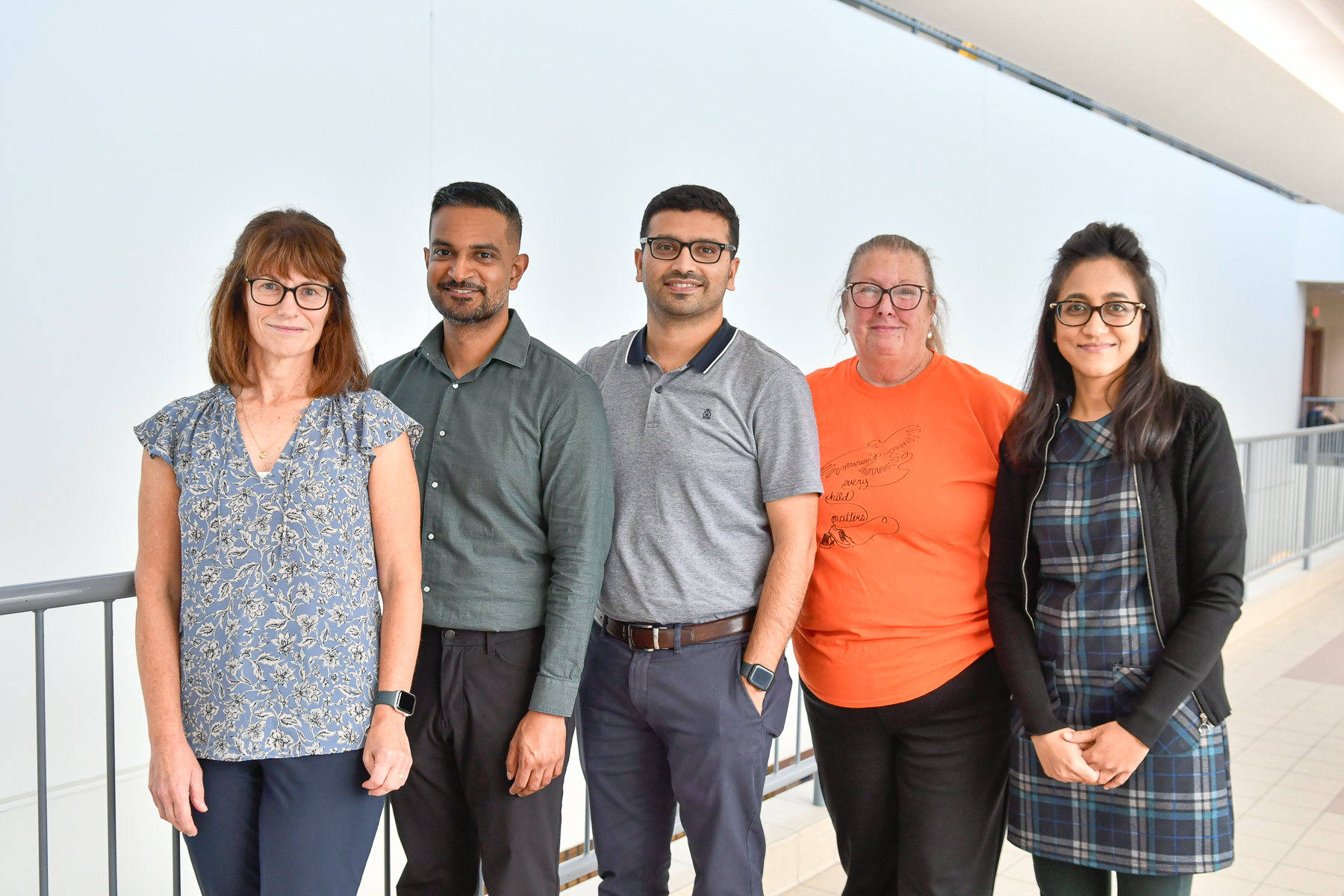
Photo from Left-Right: Sue Turcotte, Dr. Koppikar, Dr. Perera, Lorna Green, Dr. Soowamber